Showing posts with label pc games. Show all posts

Saturday, March 24, 2012

Super Crossfire Review

The Good Qualities:
+Nice improvement over classic arcade shooter mechanics
+Great graphics
+Sweet soundtrack
+Lots of unlockable items

The Bad Qualities:
-The beginning can be a bit difficult
-Some enemies require lots of patience

Final Rate: 8.5 / 10

Controller support: Yes
               
System requirements:

OS: Windows XP SP3 / Vista / 7
Processor: 2 Ghz Dual-Core CPU
Memory: 2 GB RAM
Hard Disk Space: 100MB Free HD Space
Video Card: Graphics Card with Shader Model 3 support, 256 MB video memory
DirectX®: 9.0c
Sound: DirectSound-compatible sound device

King Arthur II – The Role-Playing Wargame


The Good Qualities:
+ Arthurian atmosphere
+ Text adventures
+ Morality choices

The Bad Qualities:
- Altitude on battlefields
- Lack of castle control
- Some performance issues

Final Rate: 7.5 / 10

Controller support: No

System requirements:

Minimum requirements

Windows XP / Vista / Windows 7
Pentium 4 3.40GHz or Athlon 64 3500+
RAM: 1 GB of RAM
8 GB free space on the HDD
128 MB graphics memory video card using at least GeForce 6600 GT or Radeon X800 GT
DirectX 9.0c

Crysis: Warhead

Version reviewed: Crysis: Warhead

The Good Qualities:
+ Interesting gameplay
+ Enjoyable lead character
+ Lots of drivable vehicles

The Bad Qualities:
- Cliché gameplay
- A bit short.
               
System requirements:

Operating System: Windows XP
CPU: 2.8 GHz or faster
Memory: 1 GB RAM
Hard Drive Space: 15 GB of free space
Graphics Hardware: 256 MB video memory, NVIDIA GeForce 6800 GT/ATI Radeon 9800 Pro
Sound Hardware: DirectX 9.0c compliant card.

Grand Theft Auto IV PC

 Version reviewed: Grand Theft Auto IV PC

The Good Qualities:
+Great story;
+Memorable characters;

The Bad Qualities:
-Filled with bugs;
-Stupid AI;
-No mid-mission checkpoints.
               
System requirements:

Operating System: Windows Vista Service Pack 1 / Windows XP Service Pack 3;
CPU: Intel Core 2 Duo 1.8 GHz, AMD Athlon X2 64 2.4 Ghz;
Memory: 1.0 GB (Windows XP) 1.5 GB (Windows Vista);
Hard Drive Space: 16 GB of free space;
Graphics Hardware: 256 MB Nvidia 7900 / 256 MB ATI X1900;
Sound Hardware: 100% DirectX 9.0c compliant card;
Network: Internet connection required for activation and multiplayer.

Thursday, March 15, 2012

Hard Reset PC Review:


The Plusses in this game:
+Polished game play
+Fluid level design
+Intense firefights

The Minuses in this game:
-Convoluted story
-Difficult even on normal

Final Rate: 9 / 10

Controller support: Yes

System requirements:
Minimum:
OS: Windows XP/Vista/7
Processor: 2.5 GHz Intel Pentium 4 / AMD Athlon 64
Memory: 2 GB
Hard Disk Space: 4 GB free hard drive space
Video Card: 512 MB NVIDIA GeForce 8800GS / ATI Radeon HD 3870 or better
DirectX: DirectX 9.0c
Sound: DirectX Compatible

Recommended:
OS: Windows XP/Vista/7
Processor: Intel Quad Core 2.3 GHz / AMD Phenom II x4 2.5 GHz
Memory: 3 GB
Hard Disk Space: 4 GB free hard drive space
Video Card: 512 MB NVIDIA GeForce 9800 GT / ATI Radeon HD 4870 or better
DirectX: DirectX 9.0c
Sound: DirectX Compatible

Review:
Hard Reset came out of nowhere a few months ago, impressing lots of PC gamers with its lovely graphics and promising to deliver a high quality experience from a new studio, called Flying Wild Hog, composed of veterans from other Polish developers like People Can Fly, the makers of Painkiller or Bulletstorm, or CD Projekt Red, the creators of The Witcher.
Now, the game is finally out and people can see if Hard Reset can actually live up to the expectations of PC gamers, who want a cross between all the games mentioned above.
So, does Hard Reset manage to deliver a retro shooter experience, with tight gameplay and simple mechanics, or should it be put out of its misery with a full on headshot? Let's find out.

Story:

It's hard to talk about a story in Hard Reset, as it follows pretty much the same bare bone structure of Painkiller, for example, meaning you just go through levels and shoot everything that looks at you funny, or in this case any robot that tries to plant its metal into your fragile human body.
You play as Major Fletcher, a former Army veteran now handling security for a large corporation called … The Corporation, in a futuristic cyberpunk dystopia, where rogue robots controlled by an AI hive mind are threatening humanity in order to emerge the dominant force.
The Corporation is all that stands between Fletcher's home city of Bezoar and the robot hordes, but not everything is as it seems. Over the course of the game, the protagonist is set to deal with a robot breach into a district of the city and find its source, but it quickly becomes something much larger than himself.

Sadly, while the story in Hard Reset is pretty interesting in theory, the execution is convoluted and the animated comic book cut scenes don't really make it clear what's happening in the narrative. In a nutshell, you just need to run around and shoot robots until the end credits roll, just like in various other mindless shooters like Painkiller or Serious Sam.
 
Gameplay:

Seeing as how the story is hard to comprehend, Hard Reset needs to more than make up for it in terms of gameplay and, fortunately, I can report that it does just that. The shooting feels tight and precise, there's a lot of weapon variety, you can even level up your firearms and enemies are varied enough to keep you on your toes, especially on Normal difficulty.
You truly see the experience of Flying Wild Hog's members in terms of first person shooters with Hard Reset, as the gameplay is well balanced while the levels just beg you to take them into consideration when facing off against robot hordes. As such, you'll find a fair share of explosive barrels, but also various electronic displays or hubs which, when shot, send a surge of electricity flying around them, killing the smaller robots instantly while the big ones are stopped in their tracks.
You can also shoot cars that explode after popping enough bullets into them, while two main weapons are more enough to dispatch of your enemies, if you upgrade them carefully.
You collect three basic things in Hard Reset: health, obviously, as this isn't a modern shooter with regenerative health, ammo for your CLN rifle or NRG blaster, and NANO, a sort of in-game currency that allows you to upgrade your abilities or weapons.
When visiting special upgrade stations, you can choose to improve your standard weapon, or unlock new powers for it, like turning the regular rifle into a rocket launcher, or the NRG blaster into a sort of lightning dispenser. You can also upgrade your own body by implementing better armor or even a health or shield regenerator.
You'll certainly need most of these upgrades, as Hard Reset isn't an easy game, even on Normal difficulty, throwing at you legions of enemies at once, each with their own special powers, from small, razor blade-equiped ones to massive, human-like machines that can fire from a distance, not to mention a variety of hulking beasts that charge at you or throw grenades all over the level. As such, expect to die quite a lot if you don't learn to keep a good distance between yourself and the enemies.

These opponents are pretty smart, often using their large number against the player, so you always need to make sure you're using all the helpful items from your environment, while moving about to dodge their powerful attacks or lure them in traps.
Besides the levels, weapons and enemies, there's not a lot more than can be said about Hard Reset, as it keeps things extremely simple yet, in practice, everything goes better than quite a lot of games these days that want to throw all sorts of mechanics just to give players something new to do. In this game, firefights are short but intense, while the levels don't outstay their welcome.

Graphics and Sound:

Hard Reset is a gorgeous game, as Flying Wild Hog's proprietary Road Hog engine manages to shine, using all sorts of new graphics technologies to make its gritty cyberpunk world come to life. While you'll fight it out against robots at night, the world feels bright and colorful, thanks to the great design of your user interface as well as the variety of flashing lights and billboards decorating its levels.
Enemies are detailed, weapons effects look quite impressive, and there's not a single freeze or loading issue to be had. It's also worth pointing out that the game handles Alt+Tab situations very well, as it suspends its video rendering systems, restarting it when the player enters the game and immediately loads up the whole level just as you left it.
In terms of sound, Hard Reset is quite good, using a lot of futuristic electro music to highlight the nature of its world. There aren't any standout performances, largely because most of the times you'll be busy fighting it out with the legions of robots, listening to your own symphony of bullets than the actual music score.
Voice acting is pretty decent, with Fletcher having a good enough voice, although one of the characters you meet halfway through bears a striking similarity to the announcer of older Unreal Tournament games.


Conclusion:

Hard Reset is a cross between Bulletstorm and Painkiller, with a few sprinkles of Witcher in terms of the upgrade mechanic. The resulting mix is a great experience, especially for retro shooter fans that have awaited a new Painkiller or Serious Sam in recent years.
While it's not a particularly long affair, clocking in at around 5-6 hours, depending on the difficulty, Hard Reset is more than worth its $29.99/27.99€ price tag.
Hard Reset is now available on Steam, exclusively on the PC, and has support for both the regular mouse and keyboard control scheme as well as controllers like the Xbox 360 one.


by -Tricker

Red Orchestra II: Heroes of Stalingrad(PC game Review)

 The Battle of Stalingrad was one of the most disputed in World War II and most people see it as the turning point on the Eastern Front, the moment when it became clear that the might of the Wehrmacht was shattered and that the Red Army was ready to take the initiative and drive towards Berlin. 

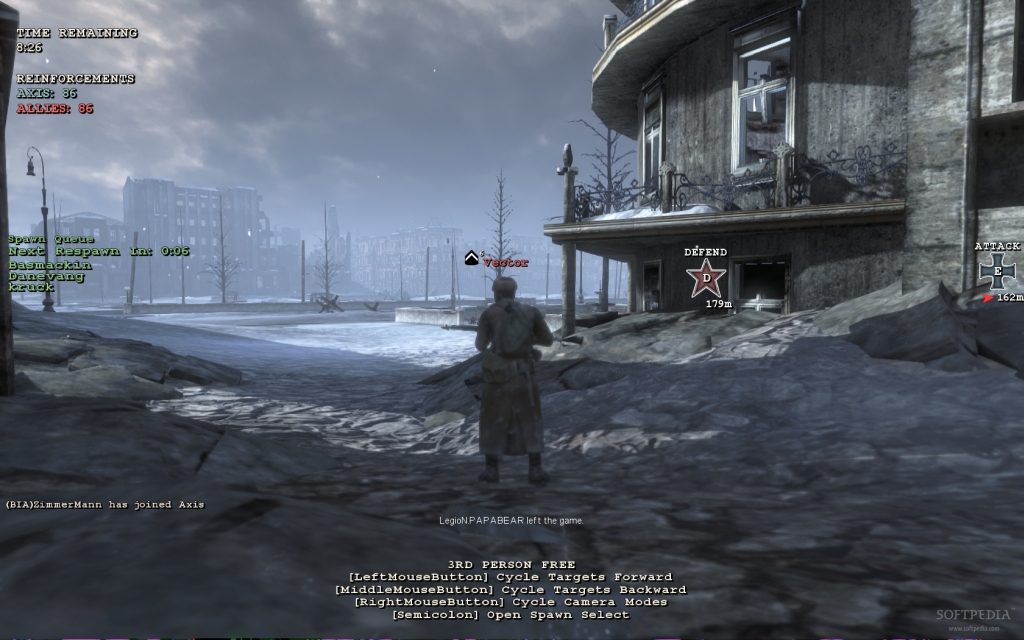
The battle has been visited in video games before but rarely has it received the attention to detail and realism that the developers at Tripwire Games have lavished on it, visible in elements like the design of the maps, which include the landmarks of the city, and the care taken to make every engagement feel like a desperate struggle, mimicking the emotions that the soldiers of the time surely experienced. It's too bad that the game still has some problems when it comes to graphics, Artificial Intelligence and multiplayer games.

Gameplay:

The big changes from the standard first person template that Red Orchestra 2: Heroes of Stalingrad offers are: a commitment to realism and a focus on making cover and its use crucial for success.

It's essential to approach the game thinking in terms of where cover is and how it can be used. A gamer who was brought up on a diet of Call of Duty and tries to play this game using the run-and-gun method will get torn to pieces. The constant frustration will soon be enough to either force him to drop the game or to learn how to actually play it well. The key here is to always know which surfaces a character can stick to and which of them offer the best protection from incoming fire, be it from a normal carbine or from a heavier machine gun.

Review image Review image
Multiplayer hero
Cover system


After finding a piece of good cover the big decisions involve when to peak out, if it's worth taking a shot and revealing your position or if a better idea is to move to another piece of cover that is closer to the target or offers a better shooting angle.

As essential as knowing when to take cover is learning when and how to fire. Bolt action rifles can be very accurate when using the iron sights and controlling breathing and players should always try and take shots from afar, thinning out the ranks of enemies before moving forward or at least convincing some of them to keep their heads down while the player moves to the next piece of cover.

Assault weapons, on the other hand, are pretty much unable to hit anything reliably past the 200 meters mark so it makes sense to fire a few bursts and then move as quickly as possible to a better position.

As in real world World War II infantry tactics grenades can be crucial to taking out clusters of enemies and are priceless when entering buildings under heavy fire.

Red Orchestra 2 is good because it is unforgiving so, even in the single player against rather dumb enemy A.I., expect to die and fail quite a bit before getting a feel for the game and how to keep yourself alive.

Graphics and audio:

Red Orchestra 2: Heroes of Stalingrad is created using the Unreal Engine 3 from Epic Games and both the good and the bad sides of this technology make appearances in the game.

Review image Review image
Single player intro
Close quarters


The developers have managed to create a game world that looks bleak and clearly affected by war but have also managed to escape the trap of only using gray and brown for the environments. The various scenarios that are set mostly outside could create the feeling of a perfect day out in the countryside or the middle of a city were it not for the bullets and the screaming of the dying.

The problem is that looking good comes with the attached price of some weird physics, especially when furniture is involved in any way. The soldier models could also have used some more work and the running animations have something very artificial about them. There are also moments, especially in multiplayer, when the textures seem really ugly, like something that only managed to load half way through.

Tripwire Interactive has managed to do some great work when it comes to the sound design. The weapons sound like something out of the '40s, deadly but a little clunky, the soldiers shout very appropriately when shot and there are few sounds in the world of gaming that are as unnerving as hearing a couple or rounds whiz by your body while you are looking for some piece of safe cover.

The only problem with the sound section of the new Red Orchestra is that it is sometimes actually overwhelming, which adds to the atmosphere but makes paying attention to the actual gameplay harder.

Multiplayer:

The origins of the Red Orchestra series lie within the modding community and the first game in the series was driven by its multiplayer elements so it makes sense for the second one to also rely heavily on playing with other live humans. Despite the presence of the two single player campaigns the developers at Tripwire Interactive have put most of their resources into the multiplayer and have managed to create an experience that will enchant the hardcore, competitive fans and might scare off a lot of newcomers.

The big news is that there are big, bold, frantic 32 versus 32 battles included in Red Orchestra 2: Heroes of Stalingrad, perfectly suited for those who are looking for large scale mayhem. The PC version of Battlefield 3 promises the same but it's weeks away so this is the only game in down for some time.


The server browser is pretty solid and gives those looking for games to join a lot of information but there are some problems with maintaining a solid connection after choosing a server. About one third of my attempts have resulted in being dropped from the server and forced to re-launch the whole process. There are also reports of connections that, despite good ping numbers, are very sluggish and make actual gameplay all but impossible.

Once the player is logged into a server the actual learning process begins. Never move around without being at least crouched if not prone. Only peek around or above cover for the smallest interval of time, always vary of getting shot. Always make sure that one has a full magazine before entering an area whether heavy combat is probable. Never take the time to steady your breath for a shot unless your position is absolutely secure. And there's much more to learn before coming even close to being a competent player of the multiplayer side of Red Orchestra 2: Heroes of Stalingrad.

The maps included in the game are interesting, although they tend to make moving around in open field a pretty dicey scenario, and it's imperative for the player to familiarize himself with them as much as possible before getting into really competitive games.

The best way I found of doing that is to choose one class and stick to it at first, learning what the weapons can and cannot do and when to use them, and only then move on and sample other options.

Red Orchestra 2 is an unforgiving playground for all but the most experienced gamers but a lot of playtime and quite a bit of conviction will allow even newcomers to the first person shooter space to discover an engaging and very brutal game.

Conclusion:

Red Orchestra 2: Heroes of Stalingrad is not all that it could be at the moment, with the solid gameplay mechanics affected by small bugs and the multiplayer also in need of some tweaks, but the developers at Tripwire have already released two big patches via Steam and more are apparently on the way, with the overall aim being to create a finely balanced experience that will keep gamers interested in the long term.

The developers have also announced that more content, like weapons and vehicles for both sides and the ability to play through the campaign in cooperative mode, will be added to Red Orchestra 2 in the coming months so it might be a good idea to see how the game evolves and buy it closer to Christmas.

For those who have loved the original mod and the first game in the series Red Orchestra 2: Heroes of Stalingrad is a must buy, mostly for the engaging and gritty multiplayer, while most other first person shooter fans can wait until they experience the big launches of the fall, Battlefield 3 from DICE and Call of Duty: Modern Warfare 3 from Infinity Ward, before giving this outsider a try.

by -Tricker

Dead Island game Review -PC

Zombies have become cool again lately, flooding the entertainment space with high profile products like World War Z, which is both a comic book and, soon, a movie, and the Walking Dead, one of the most appreciated television series on AMC. Both of these are nuanced looks at the possibility of a zombie apocalypse which manage to focus on characters and moral dilemmas more than on simply fighting off the hordes of undead.
Gaming has long been accustomed to them in various forms but Dead Island might just be the game that manages to deliver well crafted zombie bashing action while also making the player think about his choices, what he considers important and what he chooses to do when faced with life or death choices.Everyone will think about Dead Island as a cross between Dead Rising from Capcom, but maybe without the humor, and Left 4 Dead from Valve, minus most of the firearms and the Artificial Intelligence zombie leading Director. The developers at Techland seem completely unoriginal at first glance but once a gamer gets deeper into the game, which also means deeper into the island, this familiar feeling will pass and Dead Island will be able to stand on its own as the best way for a hardcore geek to prepare for the inevitable coming zombie apocalypse.

Story:
Dead Island takes place on the tropical island of Banoi, where the normal night includes a lot of drinking, some flirting, some high stakes gambling and maybe a few misdemeanors. One particular evening does not go as planned and the main character wakes up to find the area around him filled with zombies.

Review image Review image
Licking power
Blunt assault


They can kill him but he cannot become one of them, which means that he or she is the designated hero of the moment and must explore the island, helping out survivors and trying to find a way of getting off the island or finding a cure for the zombie affliction.

There are four characters to choose from, each with a different focus in combat and different skill trees. In terms of story the four do not chance anything and the conclusion of the game, which includes a few twists that will not surprise any aficionado of the zombie movie genre, will be the same regardless of the choices players make.

Dead Island is not a game that needs to be played because of it's story and I often found myself clicking through the dialogues and the cutscenes so that I could get back to the real heart of the game, the zombie fights.

Gameplay:
Dead Island is an open world game. It is also a pretty complex role playing game, with a lot of crafting and a significant number of side quests. It is also a horror game that manages to deliver some good scares. It is also an action title which has some of the best close up and personal battles of the year.

Review image Review image
Dead nature
Tunnel trouble


It was inevitable that in creating this mix the developers at Techland would make some mistakes but, despite of some weird choices, the game lives and dies on the strength of its combat and, fortunately, this part of the game is realistic, complex and engaging enough to keep me coming back long after I lost interest in the story and even in the island setting.

Seeing a zombie or a group of them in Dead Island leads to a quick spot of risk benefit analysis. How many are them? What type? Can I move around? Are there valuables in the surroundings? Based on these questions one chooses whether to engage or to avoid.

Attacking zombies means using a weapon, which degrades with use and uses stamina, a foot attack, which drains stamina, to stun as many as enemies as possible or otherwise put them out of the fight and then deal with the group one at a time.

The fights are genuinely nail biting, mainly because zombies level up and stay a challenge throughout the game but also because the design of the island means that they sometimes manage to surprise the player and knock his health down a little before he can regain his footing.


There are a few fights, mostly those where the main character is forced in close quarters situations, that feel unfair but mostly Dead Island has impressed me with the quality of its up close and personal zombie battles.

One weird decision is to give money so much importance in Dead Island. Most zombies have cash on them, which is fine considering the setting, and there's more to be found in various containers. What's weird is that the survivors you work for tend to give you copious amounts of cash for your trouble and that it costs exorbitant amounts to repair the best weapons you find or craft. It's highly unlikely that during a zombie apocalypse the value of the dollar would hold steady or rise and it would have made much more sense to have energy drinks or food items the currency on the island and keep the entire game closer to the original idea. Seeing dollar values everywhere and seeing my cash pile drop significantly when I die tends to take me out of the fiction and eliminates some of the value of Dead Island.

Graphics and audio:
Dead Island is created using Techland's own Chrome Engine 5 and is, for the most part, a good looking game that could have used just a little less blood and guts. There's a level of violence here that goes beyond what is needed to show off the brutality of the combat and the power of the zombies. Every dead body is a festival of red and more squeamish gamers might find it hard to play.

Review image Review image
Sunglasses and no shirt
Driving action


Other than that and the tendency to make the sun a bit too shinny all the time the game delivers on the graphics front, from the models of the zombies to the feeling of weight that is delivered with every blow of a blunt weapon.

The sound design is also solid and I've often found myself listening intently for zombies moving around, low on health and out of good weapons. The voice acting could have been better but the story is not the focus of Dead Island and the investment in a very good cast would probably not have been justified.

Multiplayer:
There's no competitive multiplayer in Dead Island but this is one of those rare games who seem to have been designed from the ground up in order to be played by four players working together. All the cars have four seats, allowing everyone to move around, and characters have a tendency to talk to the players who takes the game on solo as if he was being part of a bigger group.

Bringing along four players, ideally one of each characters class that can be selected at the start, makes the game easier and, at times, more fun. Bigger groups of zombies, which when going solo need to be avoided or tricked into attacking the player one at a time, now become a chance to test skills, strategies and stock up on money. It's cool to have a little in group competition about who kills the most zombies or deploys the most interesting attack maneuvers.

Playing cooperatively also makes the story of the game even less important and turns Dead Island into something closer to a MMO powered by zombies, which is something that the genre has not yet seen.

One good idea is to make sure that you get together a group of gamers that can play along nicely, which basically means making sure that rewards are distributed evenly and no one becomes an egotistical hoarder.

Conclusion:
Techland has been widely criticized for their previous release, Call of Juarez: The Cartel, but Dead Island should go some way towards rebuilding their reputation. They have managed to deliver a game that is entertaining and filled with suspense while also implementing some of the best melee combat I have experienced in a game since the first Batman game.

That much talked about first trailer for Dead Island promised a lot more drama and emotion and that's largely missing but the exploration of the island the ever escalating challenge of the combat compensates the lack of emphasis on the story.

Dead Island can feel repetitive and too long at times but everyone who has been enthralled by Walking Dead on AMC or is eagerly awaiting World War Z should spent some money and get themselves a zombie experience that can easily occupy 50 hours of their entertainment time.

by -Tricker

Kingdoms of Amalur: Reckoning Review -PC


Nowadays, all new triple-A titles are a rare sight, so Kingdoms of Amalur: Reckoning, coming from 38 Studios and Big Huge Games, definitely stands out from the array of sequels or reboots that are arriving on the market. 

 Review image Review image

 Throw in the fact that it’s masterminded by Elder Scrolls designer Ken Rolston, fleshed out by novelist R.A. Salvatore, and brought to life by comic book artist Todd McFarlane, and you have more than enough reasons to get excited about the game.

Now, Reckoning is finally out so it’s time to see if it manages to live up to its promises or if it’s just a case of too many chefs ruining a good recipe. 


Story:

Reckoning starts off in a peculiar way, as your own character is dead. Thanks to a clever dwarf and a mystical device called the Well of Souls, you’re brought back to life. There’s a catch, however, as you don’t have a fate anymore, thus becoming The Fateless One.

This is a big deal in Amalur, as each character has a predetermined fate that he, she or it must follow until the end. Now, seeing as how you don’t need to follow such a path, you’re free to do anything you want, helping various characters and factions while destroying others.

Peace in the world of Amalur rests on the shoulders of an uneasy alliance between humans and the Fae, which are pretty much your standard elves. Unfortunately for them, the Tuatha, a group of evil Fae led by Gadflow, want to usher in a new era for the world of Amalur, even if it means eliminating anyone who opposes them.

Like any good, open world RPG, Reckoning delivers a complex plot filled with all sorts of different threads, crucial decisions and plenty of intrigue. Most of the story is quite interesting, gradually ramping up your importance in Amalur’s virtual world, and quite a few side missions deliver some truly unique experiences. There are exceptions but, seeing as how there are a lot of things to do in the game, you won’t be stuck doing something unpleasant or boring for a long period of time.

Throughout your adventures, you’ll have an impact on lots of things, but it will still feel great, as the game doesn’t try to offload lots of backstory or exposition on you, keeping things, wherever possible, as simple as can be. There are lots of details for those who seek them but they're not shoved down everyone’s throat.


Gameplay:

Kingdoms of Amalur: Reckoning is an open world action role playing game, but it most certainly borrows heavily from plenty of other experiences, chief among them being MMORPGs like World of Warcraft. The gameplay is fluid and varied, allowing you to do all sorts of things, from fighting against legions of enemies, to creating potions, gems or weapons.

First and foremost, let’s talk about Reckoning’s most impressive feature, which is its stylized combat. If you’re given no introduction to the game and just tasked with fighting enemies, you’ll have problems believing it’s an RPG and not a hack and slash game modeled after Devil May Cry or God of War.

No matter the weapon, whether it’s a warrior’s sword, a rogue’s dual daggers or a mage’s staff, the game makes you feel extremely powerful by allowing you to pull off acrobatic attacks and awesome finishing moves. There are also various other weapons, including warhammers, that crush opponents but are slower to use, the so-called Fae Blades, which are great for rogues that find themselves in an ambush, or Chakrams, which allow mages to deal mid-range damage against lots of opponents.

The game is still an RPG, however, and you’re given free rein in concern to how you want to develop your character. Once you level up, you choose which abilities to upgrade, ranging from alchemy and blacksmithing to persuasion, sagecrafting, lockpicking or detecting hidden objects, the latter of which proving essential in the opening segments of the game.

After the ability section, you get to spend talent points on three different skill trees called Might, Finesse, and Sorcery. These include all sorts of different powers that can be triggered during combat, as well as active and passive bonuses for your abilities.

Last but not least, depending on your talents, you get to choose destiny cards that augment your current character build. For example, if you’re going the warrior way and spend points in Might, you unlock better and better destiny cards which improve your character. You’re not stuck to a single path, however, as special cards reward hybrids builds between the talent trees, meaning you can go for a might and finesse combo, like myself, or even choose to upgrade all three and become a Jack of All Trades.

Review image Review imageIn case you get bored, you can visit Fateweavers in the game, which reset your abilities and talents, meaning you can build a new character without losing your progress.

Besides fighting and upgrading your character, you'll engage in all sorts of other activities, including alchemy, in which you use the array of collectibles you can find in the world, blacksmithing, as you can also collect components to make weapons and armors, or sagecrafting, which results in gems and runes that you can slot into special equipment.

There are also two mini-games for the lockpicking and dispelling activities, which help you unlock special chests. Sadly, both of them are quite annoying at least when playing with a mouse and keyboard. When you pick locks, the room for error is extremely small so you'll end up losing plenty of picks. Dispelling is even more annoying, especially towards later levels, as making a mistake gets you cursed, which costs quite a lot of gold to remove.Another annoyance with Reckoning is the camera system, largely because you can't control its distance from your character. As such, instead of having a further away view, like on other RPGs, your character basically occupies the middle of your screen. Once engaged in combat the camera slowly backs away, but it doesn't really keep up with you, so you'll often find yourself fighting enemies near the end of your screen.

Exploring in Amalur is pretty nice, thanks to a full-fledged minimap and a fast travel system. Sadly, I also have a gripe with the fact that you can't actually jump in the game unless you're at one of the few, pre-determined jump points. This feels unnecessary and quite awkward.

The inventory is a bit complicated at first, as you go from menu, to menu, to menu, which isn't that fun and involves pressing quite a lot of buttons. You'll soon get accustomed to it but it's still not that impressive. The inventory does have a nifty junk bag, which means that whenever you're browsing your items, you can either drag them out of the inventory to destroy them or put them into the junk bag and quickly sell them when you're visiting a shop.

Another minor gripe with Reckoning is that items, whether they're armor or weapons, degrade as you use them. This also feels unnecessary, but does keep you from using the same weapons over and over again. You can fix them either with repair kits or by visiting special merchants. Be careful when going with unique items to shops, as their repairs can easily cost you a few thousand gold.

Last but not least, there's the dialog system, which suffers a bit from a split personality. When you're involved in conversations with crucial characters, like enemies or allies, you get to use a Mass Effect-style dialog wheel. When you're just talking to regular NPCs or quest givers, you get to pick from a list, like in Skyrim or Dragon Age: Origins. This, once again, feels a bit awkward and inconsistent. It's nice that the game easily highlights what answers you need to give just to progress through a quest, but the whole back and forth between dialog systems is confusing.

In terms of controls, the game feels pretty good on a PC with a mouse and keyboard, but it's truly at home with a console controller, although it gets tricky when you want to use some of your special abilities.

Overall, Reckoning's gameplay is very impressive, although some things do keep it from becoming a truly stunning experience.


Graphics and Sound:

After gritty experiences like Skyrim, Reckoning is a breath of fresh air, although it might seem a bit familiar for those who already played World of Warcraft or previous Fable games. The stylized, cartoonish world is full of life, so you'll quickly get past the resemblances and enjoy its different environments and massive open world.

Character and monster design is very impressive, as are the looks of armors and weapons. Some NPCs may have some peculiar quirks but, most of the times, you truly feel you're in a fantasy environment filled with great adventures.

In terms of sound, the game is also pretty great, with lots of voice actors breathing life into the characters you'll meet along your adventures. Sadly, the actual hero (or heroine, depending on your choice) is silent, which does put a damper on your adventures.

While I realize the challenges of making the player talk and the fact that some people may not relate to him or her depending on the voice, it would've been nice to hear my warrior-rogue hybrid talk from time to time or at least throw a taunt like in Dragon Age: Origins.

Music, thankfully, makes up for your lack of a voice, with proper orchestral scores complementing the stylized combat scenes and making you truly feel like you're forging your own path through Amalur.


Review imageReview image

Conclusion:

Kingdoms of Amalur: Reckoning is a great action RPG. It's not perfect, at least for now, due to things like annoying mini-games, problematic camera, or the silent protagonist, but it's still a stunning experience that will delight you for tens if not hundreds of hours.

After a realistic experience like Skyrim, Reckoning is the perfect alternative, offering a fun-filled experience with a dynamic combat system and a freedom that you won't soon forget.

Crusader Kings II-PC game

Let me tell you about the time I murdered my brother. I was playing the leader of Bohemia, Duke Vratislav the Second in the excellent Crusader Kings II, enjoying life on the edge of the Holy Roman Empire and in the middle of Europe, scheming about ways to expand my network of vassals while acquiring some more wealth. Then my brother’s wife plotted to kill one of my small sons, something I could not accept.

Tuesday, March 13, 2012

Mass Effect 3 Review (PC)

Little did BioWare know back in 2007 that its Mass Effect role playing shooter would spawn one of the most successful and popular sci-fi series in the history of interactive entertainment and even entertainment as a whole.

Now, Mass Effect 3 is finally here, promising to deliver an epic conclusion to the adventures of Commander Shepard.

With the same solid shooting we saw in the second game, as well as more RPG mechanics that were abundant in the original, not to mention the promise of an epic conclusion, Mass Effect 3 is looking set to be one of the greatest games of the year.

Does the game manage to deliver on its promises or should Commander Shepard just retire before his fight with the Reapers? Let's open up our Omni-Tools and find out.


Review image Review image
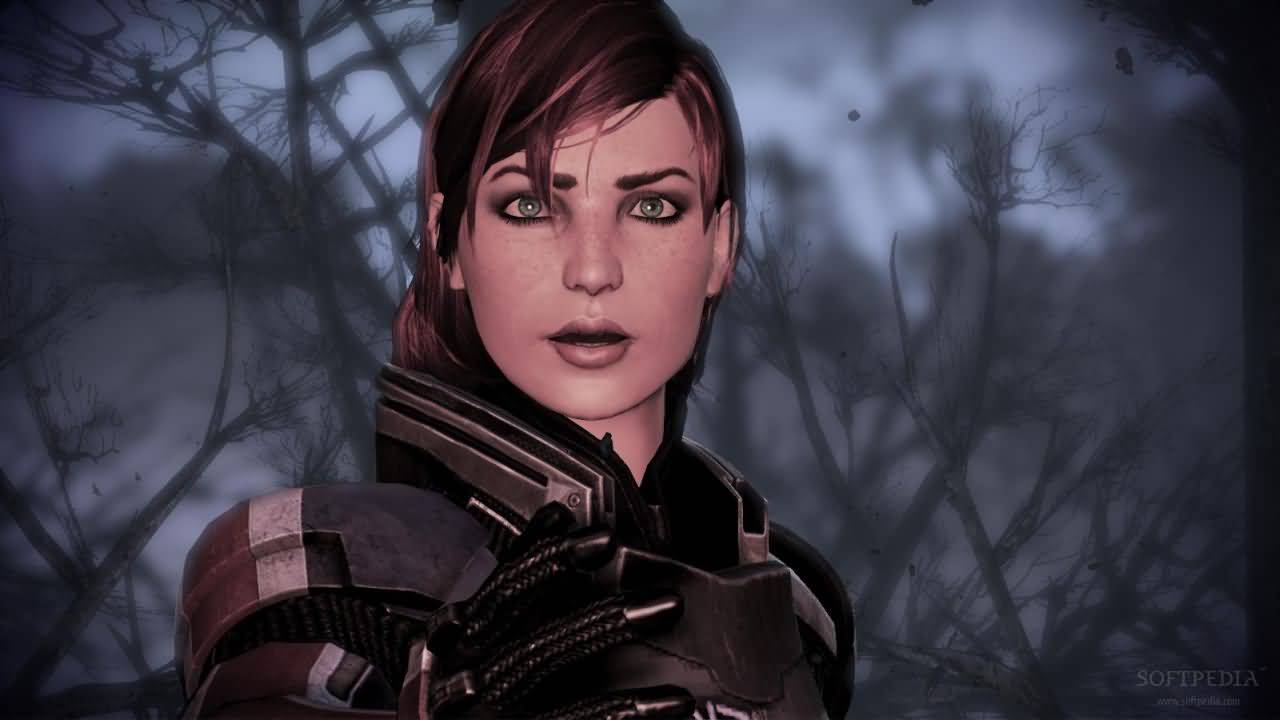
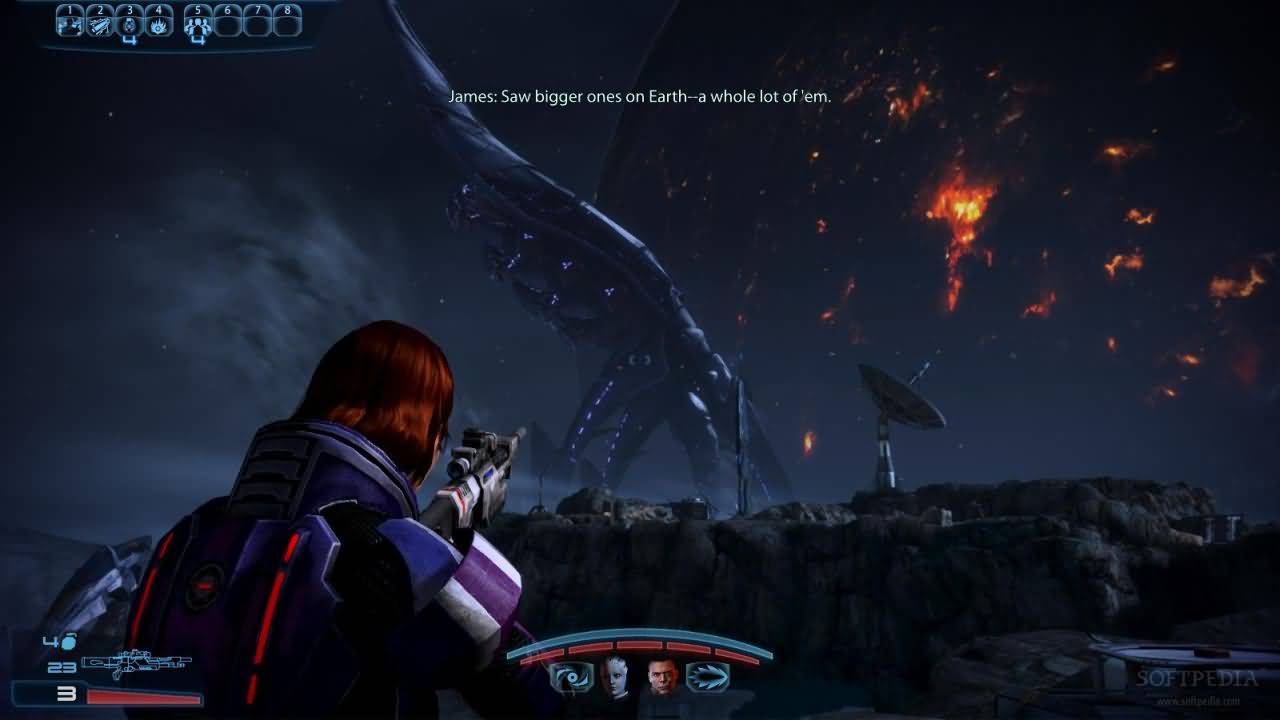
Commander Shepard is back ...
... and ready to fight the Reapers


Story:

BioWare games have always delivered deep and complex stories where the choices of the player resulted in all sorts of outcomes, some expected and some completely unexpected.

Mass Effect 3 follows the same recipe, allowing those who already went through the first two games to import their save files and see all of their choices have an impact throughout the new story. If this is your first time, you'll get a set of choices that the studio has deemed canon but, for the greatest experience, it's probably for the best to go and play through the last two titles before going through this new one.

I won't go into lots of details, as this is definitely the kind of story where you need to avoid spoilers. The basic gist is that the Reapers, a race of sentient space ships, are finally invading the galaxy, starting with Earth, so it's time for Commander Shepard to go on one last tour of the universe and rally the different races against this single threat.

As you can imagine, this is easier said than done, as even in front of this looming threat, petty rivalries and old feuds are still making an impact on certain races, while choices made by Shepard are coming back in surprising ways.

For most of the game, the story flows in a good way, with ups and downs, sacrifices and joys. Sadly, the end is probably one of the most polarizing ones ever seen in video games and it's already causing some huge reactions in the community of fans.

Myself, like everybody else, wanted to see the conclusion of the adventures my own version of Shepard had. Unfortunately, the game's end basically throws away a lot of your hard work and offers some conclusions that don't feel satisfying at all and, what's worse, you don't even see the outcome of your actions.

For diehard fans, Mass Effect 3 will be a great experience only if you exit the game before the last 10 minutes. Unless some new DLC, add-on or expansion appears to deliver a more decent conclusion, it's probably for the best if you just think of your own end to Shepard's adventures.


Gameplay:

While the story delivers some mixed feelings, Mass Effect 3's gameplay makes up for it in spades, as there's the same great third person shooter mechanics seen in the second title, while a few RPG aspects, as well as the ability to throw grenades, make a much needed comeback from the first game.

Shooting feels great and this time the weapon selection is more crucial as you also get to modify your guns with different attachments, from bigger ammo clips to scopes and other such things. You can also choose what and how many weapons you use, but the more you wield, the more you'll have to wait until your special attacks cool down.

Depending on your chosen class, you also have special powers, ranging from an Adrenaline mode for the Soldier, to a Tactical Cloak for the Infiltrator or the Biotic Charge for the Vanguard. As you level up, you get to invest more points into these abilities and customize them for different effects.

Besides configuring Commander Shepard's abilities, you also get to customize the powers wielded by your squad mates. Each have different attributes that can be deployed on the battlefield from the tactical pause menu and can easily help you create devastating combo attacks.

Customization also plays a heavy role when configuring on your armor, as you find different components on your missions that offer a variety of bonuses to attributes like health, shield power or shield regeneration, melee damage, and more.

Besides fighting you'll also do a lot of talking in Mass Effect 3, both with your squad mates as well as with other characters. You can once again decide Shepard's general attitude, between a Paragon that aims at pleasing everyone to a Renegade that gets the job done no matter what. The dialog wheel still feels great although some of the summaries displayed on it don't exactly reflect what Shepard will actually say.

Seeing as how you're racing through the universe to unite aliens against the Reapers, you'll also be doing a lot of space exploration with your ship, the Normandy, through your handy galaxy map. This is similar to the system used in the second game, although the much-debated probing mini-game has been replaced with a simple scanning one that sees you track down things that can help you in the conflict.

Speaking of conflict, one of the core mechanics in Mass Effect 3 is the War Asset one. Basically, in order to stand up to the Reapers, Shepard needs to accumulate as many War Assets as possible. From actual soldiers and fleets to journalists that report on the army's morale, everything counts this time around, especially in terms of the ending.

Mass Effect 3 delivers an almost flawless gameplay experience, as you're presented with all sorts of missions, whether they're related to the story or just secondary in terms of importance, and the action is neatly structured so that you don't get the feeling you're overwhelmed by all sorts of things.

What's more, in order to help even more people get into the game, you can choose at the beginning what type of experience you want. You can go for a classic Role Playing one, as in previous titles, or choose Action if you just want to shoot things and not worry about the dialog. Those who just want to experience the plot can pick the Story mode and have a much easier time during firefights. Those who import characters from previous games, however, are locked into the Role Playing one.

Review image Review image
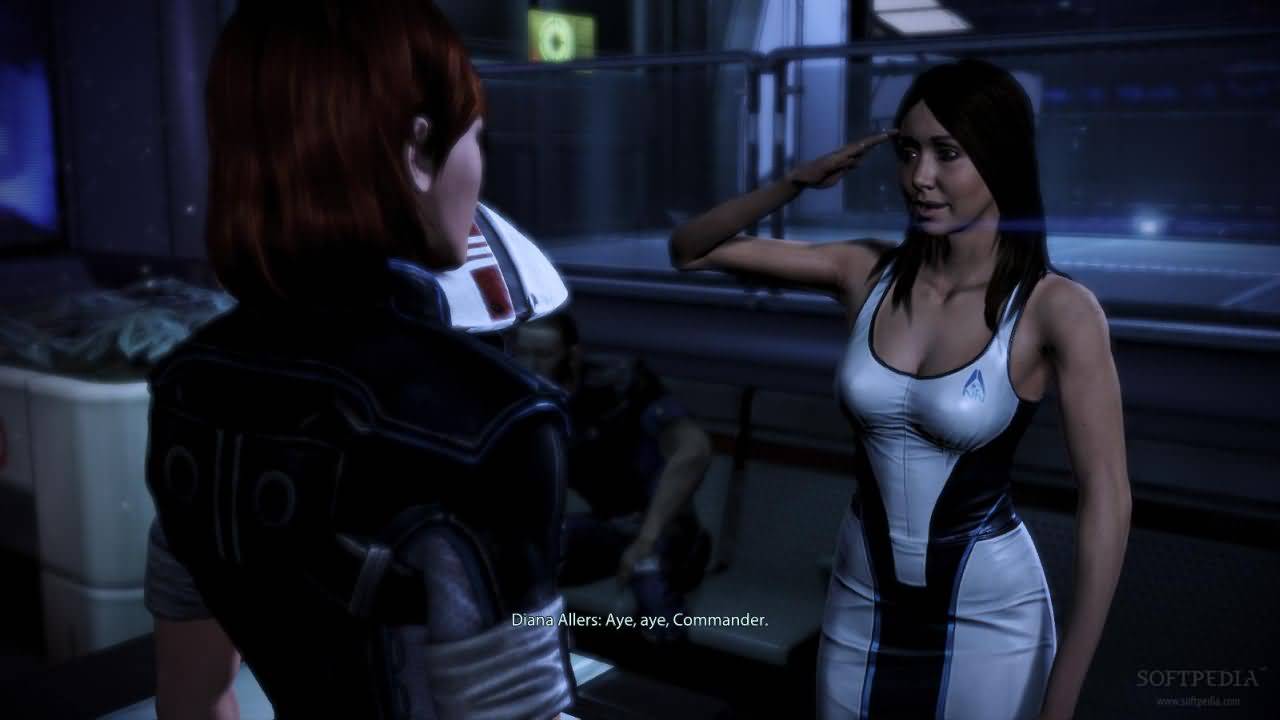
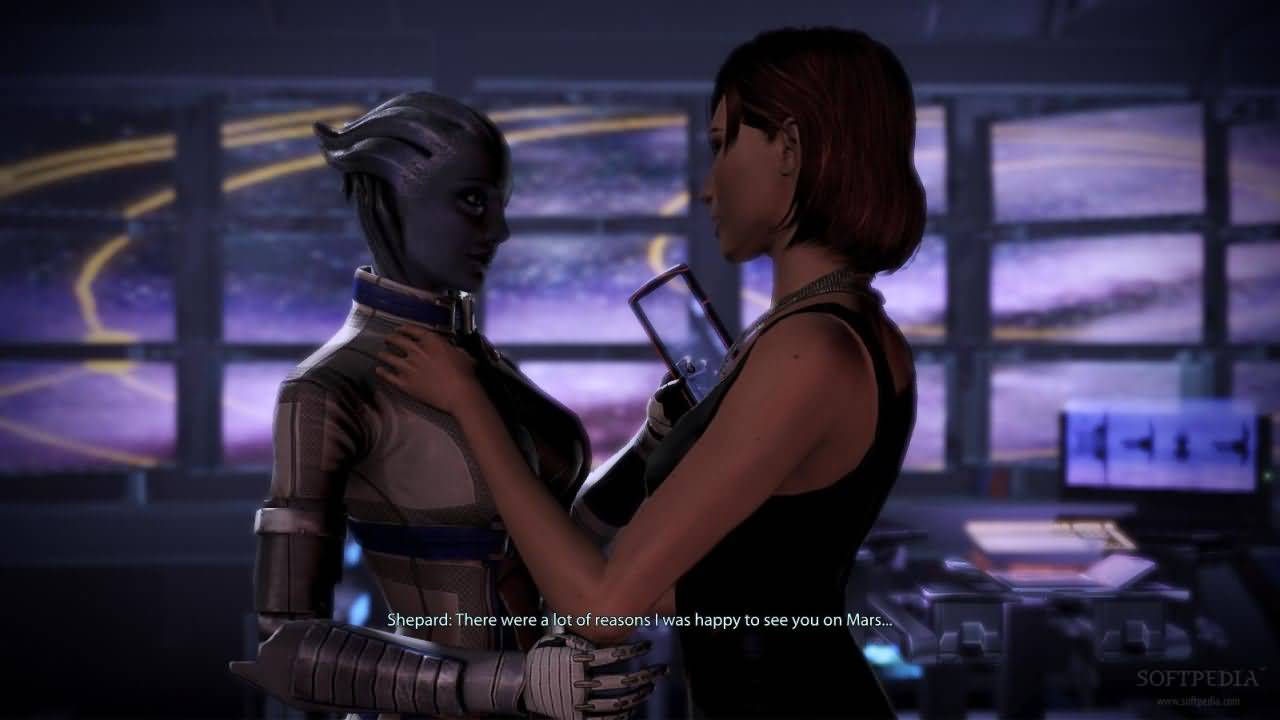
Forge new friendships ...
... and rekindle old ones


Multiplayer:

Probably one of the most polarizing aspects of Mass Effect 3 before its release was the presence of the cooperative multiplayer mode called Galaxy at War. Many longtime fans believed this was going to dilute the series just to attract Call of Duty or Battlefield players.

Fortunately, the multiplayer is top notch, as everyone, no matter if they're used to online shooting or not, will have a great time.

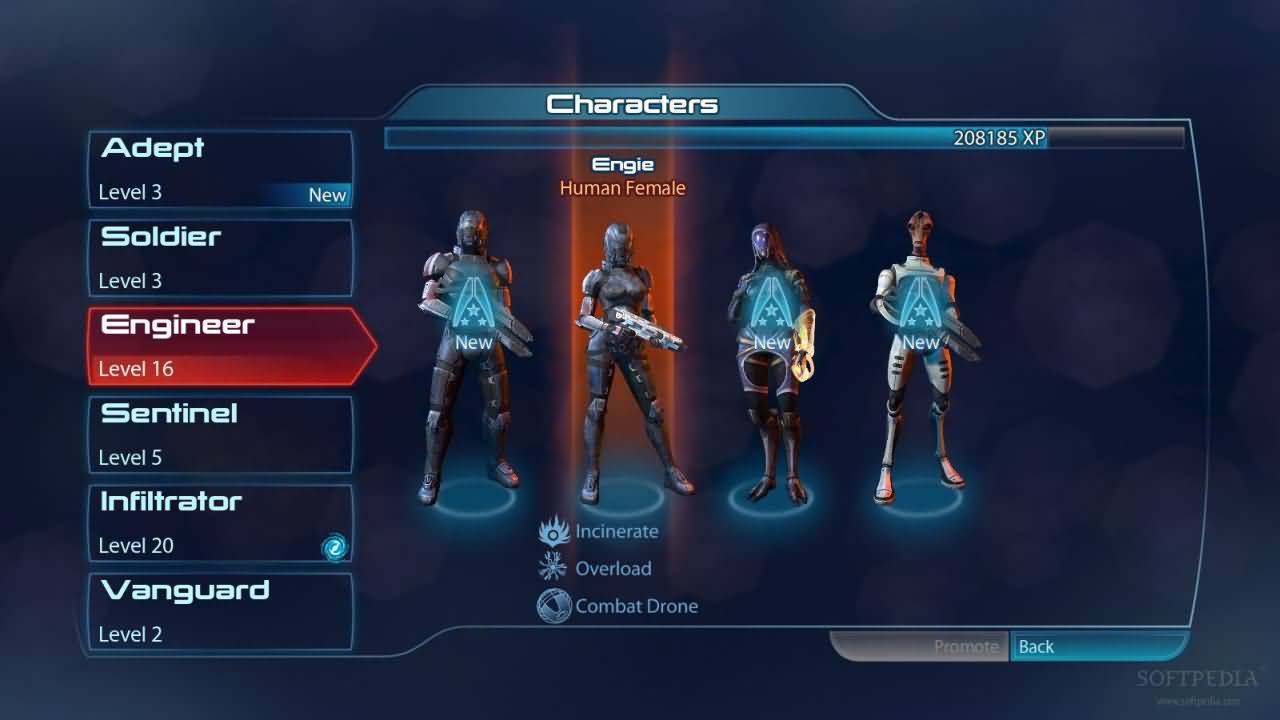
Throughout the mode you get to create characters from classes that are already present in the single-player. At first you only get to make human ones but, as you earn credits by completing matches, you get to spend them on equipment packs that include weapons, add-ons for them, bonuses, and new character classes.

As such, you may start off with a Human Infiltrator, but you will soon be able to unlock, depending on your luck, characters like the Drell Vanguard, Asari Adept, Salarian Infiltrator, Quarian Engineer, Turian Sentinel, or the extremely fun Krogan Soldier.

In terms of actual gameplay, each match takes place on one of six maps, where you and up to three other people need to survive 11 waves of enemy attacks, which can be represented by Cerberus troops, Geth robots, or Reaper monsters. Two of these waves see you and your team try to complete objectives like hacking terminals, uploading data, or eliminating priority targets. Difficulty can be selected from the three challenge modes, starting with Bronze, going through Silver and ending with Gold.

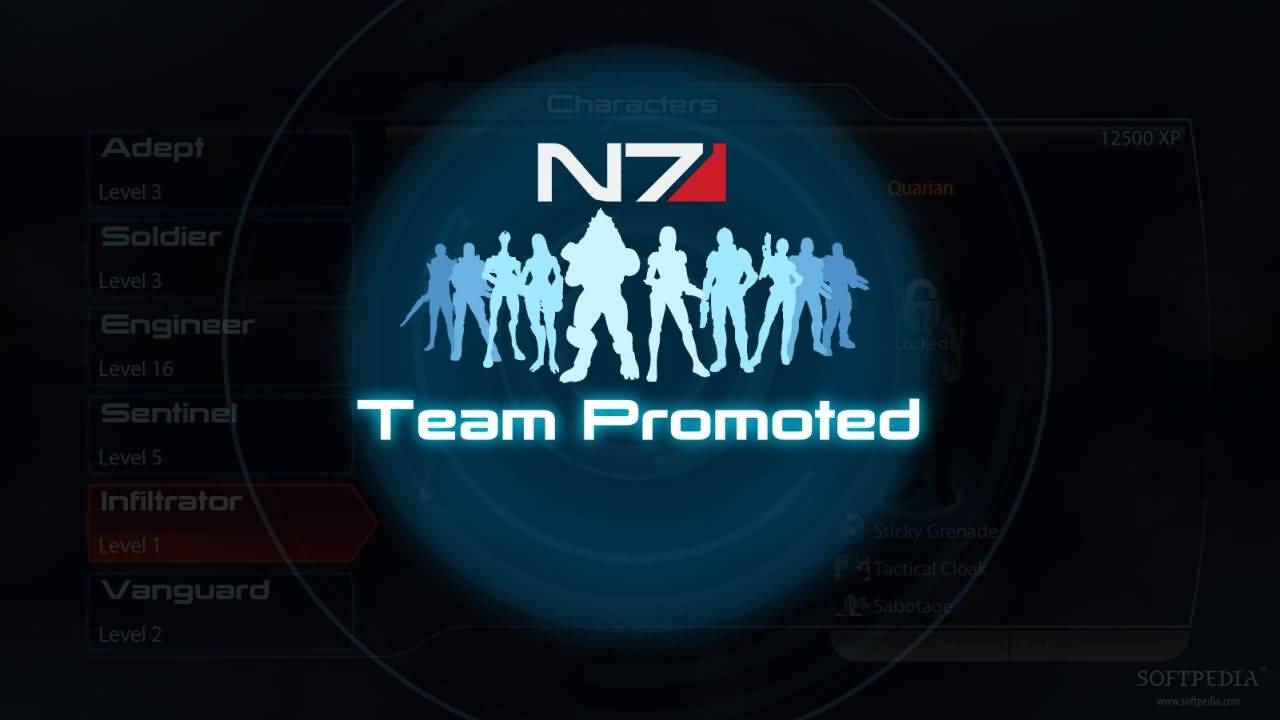
As you complete matches you earn XP points that improve your character's abilities until a maximum of level 20. At that point, you can choose to promote him or her into the single-player game in the form of a special War Asset. His abilities will be reset back to 0, but your performance in the Galaxy at War mode will still improve your Galactic Readiness level in the story.


Graphics and Sound:

Mass Effect games have gotten us used to some impressive environments and the new game goes above and beyond what we saw in previous ones. Levels are extremely varied and they always reflect that respective world, from the lush green plains of Eden Prime, to the rusty look of Tuchanka, or the futuristic vibe of the Citadel.

Characters also look good, although some armors aren't exactly up to the quality of the rest of the game. Faces look decent, but there are quite a few occasions where you'll notice some awkward moments or expressions.

In terms of sound, the game retains its impressive feel, especially in some of the more touching moments throughout its story. Most of the times, however, you'll barely observe the music as you'll be a bit busy saving the universe one firefight at a time.

Voice acting is much better, especially Jennifer Hale as the female Commander Shepard, as well as Lance Henriksen as Admiral Hackett. Your squad also has some great dialog and the witty banter between your pilot, Joker, and the Normandy's artificial intelligence, EDI, is great.

Review image Review image
Unlock new classes in Mass Effect 3's multiplayer ...
... and promote them into your single-player campaign


Conclusion:

Mass Effect 3 definitely has a lot to live up to, as the previous games set new benchmarks in terms of story, gameplay, graphics and more.

The new game manages to reach almost all of them, with great gameplay mechanics, impressive visuals and a surprisingly addictive multiplayer. Sadly, its story disappoints right at the end and the closure delivered isn't enough for fans who've already gone through previous titles. You'll feel great throughout the game's journey, but the destination isn't exactly what you'd expect.


by -Tricker